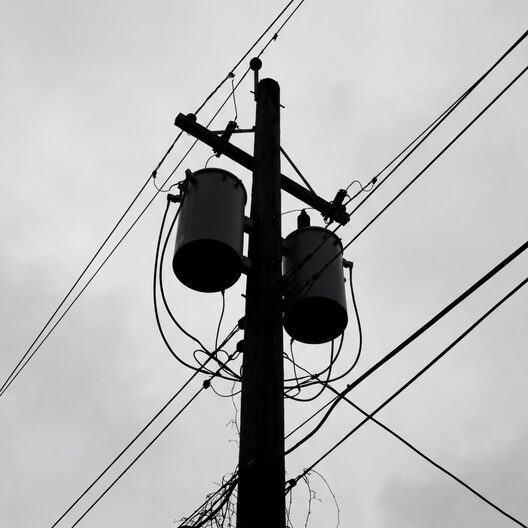
Backup power used to be an afterthought. Today it's becoming a basic need. Blackouts in the United States are roughly 10x more common than they were in the 1980s.
For some, a blackout is an inconvenience. But for a growing number, it's something more serious. If you run a business from home, losing power means losing income. If someone in your household depends on electrically powered medical equipment (a CPAP machine, a home oxygen concentrator, a powered wheelchair), an outage is a medical event.
If you’re considering backup options for your home, you have two choices: the gas generator and the home battery. Here is how they compare.
How each one works
A gas generator burns fuel (natural gas, propane, or gasoline) to produce electricity. Whole-home standby generators connect permanently to your electrical system and start automatically when the grid goes down, typically within 10 to 30 seconds. They are designed to run your entire home (HVAC, refrigerator, sump pump, lights, all of it) for as long as you have fuel. A whole-home system burns through a 20-gallon propane tank in roughly 24 to 48 hours, but topping off is as simple as a trip to the gas station.
Portable generators are cheaper but require manual operation and extension cords, and carry real safety risks if used indoors or near windows.
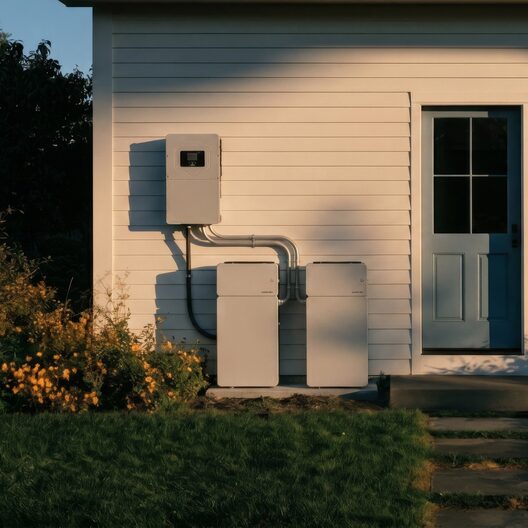
A home battery stores electricity drawn from the grid, or generated from solar panels, and releases power as needed. When the power goes out, the system switches over in milliseconds. Because it runs on stored electricity rather than combustion, it produces no noise and no exhaust.
A single home battery is typically sized to run the essentials (lights, a refrigerator, phone charging) rather than power the whole home at once. It can run everything in the house for a shorter window, or your critical loads for a longer one.
With solar, the panels recharge the battery through the day, extending coverage as long as there is daylight. Without solar, a depleted battery has to wait for grid power to return.
What you're actually signing up for
Picture a major storm taking out your neighborhood's power at 11pm.
With a generator, the unit kicks on within about 30 seconds. Every light in the house comes back on. The HVAC runs. The sump pump runs. The whole home operates as normal. There is a hum, loud enough to be heard clearly from inside the house, and audible to the neighbors through the night. You are burning fuel, but if the tank runs low, someone makes a gas station run.
With a battery, backup power activates in milliseconds. The lights stay on. Clocks don't reset. The internet keeps working. There is no noise, no exhaust. A standard battery keeps your essential loads running. Paired with solar, it recharges itself the next morning, with no action required on your part.
For the vast majority of outages, battery coverage is all you need. Excluding major weather events, EIA data shows the average American experiences roughly two hours of power interruptions per year, often across several brief incidents. Most outages don't require multi-day fuel management.
The generator's real strength is the extreme scenario: days-long outages, full home load, situations where you need to keep everything running regardless. For the most common outage scenarios, though, battery backup provides more than enough power.
The numbers
Most homeowners who buy a standby generator pay for it the way they would any major home improvement: cash or a loan. Installed cost runs $8,000 to $15,000, once you account for the unit itself, the automatic transfer switch, the concrete pad, gas line work, and permits. Standby generators require annual professional maintenance (oil changes, filter replacements, and load testing) whether or not an outage occurs, typically $200 to $500 per year. Add fuel during outages, and 20-year ownership cost ranges from $14,000 to $25,000 or more.
Home batteries are increasingly purchased through a different model: a power purchase agreement, or PPA. In a PPA, a provider installs and owns the system. The homeowner puts little or no money down, and then pays a monthly rate for the electricity the system delivers. Maintenance, monitoring, and repairs are covered by the provider for the life of the contract, which commonly runs 20 to 25 years. There is no fuel cost.
Here is how the two options compare:
| Standby generator | Home battery (PPA) | |
|---|---|---|
| Typical payment method | Cash or loan | Monthly PPA rate |
| Upfront cost | $8,000-$15,000 | Zero or low |
| Maintenance | $200-$500/yr (yours) | Covered by PPA provider |
| Fuel | Ongoing variable cost | None |
| Coverage scope | Whole home | Essential loads; whole home for shorter windows |
| Refueling during outage | Yes, at a gas station | Yes, via solar panels (if installed) |
| Switchover time | 10-30 seconds | Milliseconds |
| Noise | Loud | Silent |
Who each one is for
A standby generator is the right choice if you want whole-home, multi-day coverage and are prepared to own and maintain the equipment. It is a serious piece of infrastructure, and for households that experience extended outages, have high power demands, or simply want the reassurance of a full-house backup that runs indefinitely, a generator earns its place.
A home battery, particularly through a PPA, is the right choice if you want reliable coverage for the outages you will most likely face, without the upfront investment, annual maintenance, or the noise and exhaust of a running engine. In places like Massachusetts and Illinois, where outages are frequent but typically short, a battery handles the realistic scenario automatically and keeps doing so at a rate locked for the life of the contract.
With Daylight, the battery comes standard in every installation, alongside solar panels, at zero upfront cost. Maintenance is covered. The solar panels recharge the battery during the day, so extended outages don't require any action. And your rate is locked for 25 years when you sign.
Co-founder / CTO at Daylight. Sunnyside is Daylight’s guide to energy, the grid, and the weather that moves your bill.