Electricity in Massachusetts costs around 30 cents per kilowatt-hour on average, compared to a national average of roughly 18 cents. That gap puts Massachusetts in the top three most expensive states in the continental United States, alongside California. Only Hawaii pays more.
That premium has real consequences. A Massachusetts household using 700 kilowatt-hours a month pays roughly $84 more than the national average household, every single month, before any rate increase. And rates have been increasing.
There are key structural reasons behind Massachusetts' rates. Understanding them changes how you think about your options as a homeowner.
Your power bill has two charges, and both are rising
Your electricity bill is split into two charges: supply and delivery.
The supply charge covers the cost of the actual electricity. It tracks the wholesale price of power, which in New England is closely tied to natural gas. This is the volatile part of your bill, the one that spikes in winter and moderates in summer.
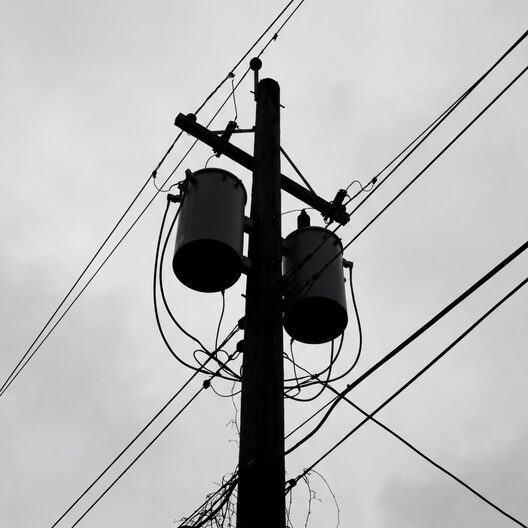
The delivery charge covers getting that electricity to your home: the poles, wires, transformers, substations, and the maintenance of all of it. Eversource and National Grid, the two major utilities serving Massachusetts, are currently working through rate cases that have pushed delivery charges higher as they fund grid modernization and aging infrastructure upgrades.
Both supply and delivery charges are going up. But the supply side is the more dramatic story.
The gas trap
Nearly 54% of New England's electricity came from natural gas in 2025, according to ISO New England, the regional grid operator.
This creates a specific, recurring problem. During cold weather, New England's demand for natural gas surges in two directions at once: people heat their homes with gas, and power plants burn gas to keep the lights on.
In most parts of the country, this tension is manageable because there is abundant pipeline capacity to bring in whatever gas is needed. In New England, there is not.
The pipeline chokepoint
The infrastructure that brings natural gas into New England is limited to a small number of pipelines, and those pipelines run at or near capacity during peak winter periods. When demand surges, the system cannot adapt.
The result shows up directly in wholesale electricity prices. In January 2026, colder weather, higher demand, and spiking natural gas prices pushed ISO New England's wholesale electricity prices to their highest levels since February 2014. The average real-time price was $154.73 per megawatt-hour, up 15% from January 2025. The average natural gas price that month reached $24.25 per million British thermal units, up 43% from the year before.
New England's governors have resisted expanding pipeline capacity for years despite the region's documented dependency. The tension between policy goals and infrastructure reality plays out on your monthly bill.
The LNG fallback
When the pipelines are maxed out, New England has a fallback: liquefied natural gas, or LNG, stored in facilities around the region or imported by tanker.
LNG is more expensive than pipeline gas under normal conditions. When international demand for LNG is high, the price goes higher still, because New England competes with European and Asian buyers in the global spot market. During the January 2026 price spike, the grid also turned to oil-fired generators, which are even more expensive to run and had been largely treated as emergency backup resources.
This is the crux of the gas premium. Massachusetts pays for electricity in a market where the fuel that generates most of its power has constrained supply, volatile pricing, and expensive backup options. Every winter, that premium reasserts itself.
What the grid charges pile on
Even in warmer months, when wholesale gas prices ease and supply charges moderate, Massachusetts ratepayers carry a significant delivery cost load.
Eversource serves roughly 1.4 million electricity customers in Massachusetts. National Grid serves around 1.3 million. Both have sought rate increases to fund the infrastructure investment the grid requires: aging equipment replacement, storm hardening, grid modernization for the addition of new resources, and a range of public benefit programs mandated by the state.
Those costs are built into the delivery portion of your bill year-round, and they've been moving in one direction.
The combination of a volatile, gas-tied supply charge and a steadily rising delivery charge is what produces the bills Massachusetts homeowners actually receive.
Is relief on the way?
The long-term plan for New England's grid involves a substantial buildout of offshore wind, which would replace gas generation with power that carries no fuel cost once the turbines are built. Massachusetts has committed to significant offshore wind procurement, and several projects are in various stages of development.
The timeline is measured in years, not months. Offshore wind projects face permitting, financing, and transmission challenges that have slowed deployment across the region. However, the structural gas dependency that drives winter price spikes will persist for the foreseeable future.
Meanwhile, ISO New England is redesigning its capacity market to better handle the transition, but market reforms also move on long timelines and involve complex regulatory processes.
The honest answer on relief: it's coming, but slowly, and nothing in the current trajectory resolves the pipeline constraint problem in a timeframe that helps you this winter or next.
What Massachusetts homeowners can actually do
The most reliable way to insulate yourself from Massachusetts' price volatility is to reduce how much electricity you're buying from the grid. Specifically: generate some of it yourself.
The logic for solar in Massachusetts is straightforward. Your electricity costs roughly 30 cents per kilowatt-hour from the grid. Electricity you generate from panels on your roof carries no supply charge, no delivery markup, and no exposure to whatever the gas market does next January.
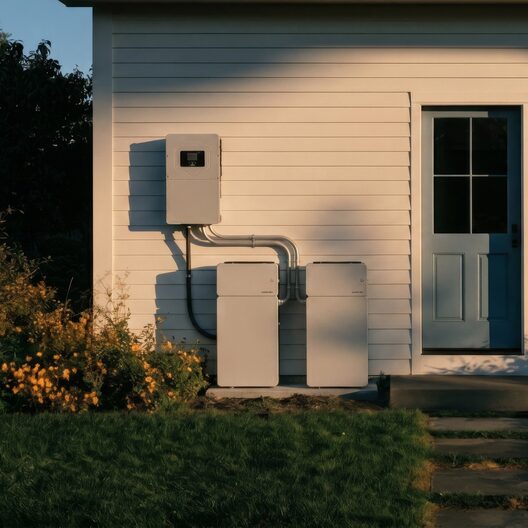
A well-sized solar installation in Massachusetts can meaningfully reduce the grid electricity a household buys. A battery paired with solar extends that advantage further: you can store power generated during the day and draw on it during evening peak hours, when grid demand is highest and prices most elevated. And if the grid goes down, your battery keeps your home running while neighbors wait for restoration.
Three structural factors make Massachusetts electricity expensive: the gas dependency, the pipeline constraint, and the infrastructure costs. All three are real, durable, and took decades to build up. Resolving them through policy will take years. A homeowner who generates their own power can sidestep those factors in a matter of weeks, rather than waiting years for them to be fixed.
Brand Director at Daylight. Sunnyside is Daylight’s guide to energy, the grid, and the weather that moves your bill.