On July 22, 2026, Texas grid operator ERCOT set an all-time record for electricity demand: 91,089 megawatts, about 6% above the previous record set in August 2023. Two days later, demand climbed even higher. Grid operators call moments like this a stress test. Texas passed it thanks to battery storage.
At the exact moment demand peaked on July 22, batteries on the Texas grid were discharging roughly 11,980 megawatts, about 13% of total demand at that instant. Two years earlier, when Texas last set a comparable demand record, batteries were only supplying about 4,000 megawatts. ERCOT issued zero conservation requests through the entire event, and reserve margins stayed above 10,000 megawatts the whole time.
This week, Texas is doing it again. ERCOT is forecasting demand to break the July 22 record by close to 1,000 megawatts as a heat dome settles over the state, with heat indexes approaching 110 degrees. ERCOT had rated the odds of a grid emergency this August at just 5.96%, and September at 4.38%, before this week's event even began. As of this writing, the event is still unfolding, so we're tracking it rather than calling the outcome, but the early pattern matches July: no conservation calls, no blackout warnings, a grid absorbing demand nobody would have predicted five years ago.
How Texas ended up with this much battery storage
The scale of the buildout is the real story here. Texas entered 2020 with about 200 megawatts of battery storage on its grid. By the end of 2023, that had grown to roughly 3.3 gigawatts. By the end of 2024, it was 8.6 gigawatts. As of this summer, Texas has more than 16 gigawatts of utility-scale battery storage online across more than 230 projects, the largest battery fleet of any grid in the country.
That buildout happened because batteries turned out to be the fastest, cheapest way to add capacity to a grid running out of room. A battery project can go from permit to operation in a fraction of the time a new gas plant takes, and it earns revenue by discharging exactly when the grid needs it most: during the handful of hours a year when demand peaks.
Why this matters even if you don't live in Texas
It’s fair to ask whether battery storage is ready to do real work on a real grid, at a scale that matters, under real stress. Texas just answered it with numbers: batteries went from a 4,000 megawatt contribution to a nearly 12,000 megawatt contribution at peak, in two years, on the largest grid buildout of its kind in the country.
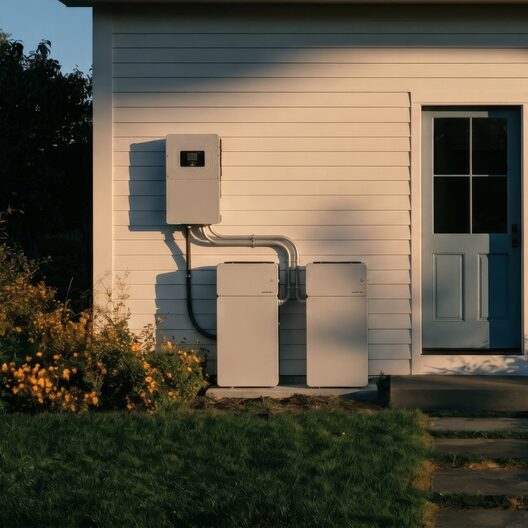
The same lithium-ion battery chemistry running at gigawatt scale on the Texas grid is what sits in a home battery system. The physics don't change when the system shrinks to the size of a home. What changes is who benefits directly from the backup: instead of an entire regional grid, it's your household, during the exact hours when your own grid is under the most strain.
What this means for your own backup power
Every Daylight solar and battery system includes a home battery standard, at no monthly adders or additional cost. That's a deliberate design choice, because a solar system without storage still leaves you exposed the moment your utility's grid has a bad day.
Given what Texas just demonstrated about batteries operating under genuine stress at industrial scale, that same logic holds at the household level. A battery isn't a nice-to-have anymore. It's infrastructure that has already been tested at a scale most homeowners will never fully appreciate.
The bottom line
Texas built the largest battery fleet in the country, and this summer that fleet did exactly what it was designed to do: absorb record demand through even the most extreme events.
With battery and solar from Daylight, your house can do exactly the same.
Co-founder / CTO at Daylight. Sunnyside is Daylight’s guide to energy, the grid, and the weather that moves your bill.