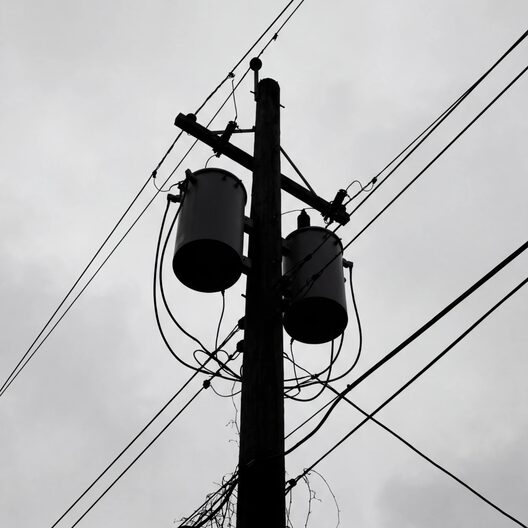
On August 1, the price of electricity increased for hundreds of thousands of Massachusetts households.
For customers receiving Basic Service from Eversource, National Grid, or Unitil, the supply portion of the electric bill rose by as much as 16.4%. A household using around 600 kilowatt-hours a month could pay roughly $10 more. Larger homes and heavy electricity users will feel more.
It is another increase on bills that already rank among the highest in the country. The August reset also reveals something more fundamental about how Massachusetts buys power and how much control households have over what it costs.
Why electricity rates are rising
Basic Service is the default electricity supply provided through your utility.
Eversource, National Grid, and Unitil buy electricity from wholesale suppliers under contracts that are renegotiated every six months. The cost then flows directly to customers.
In New England, the power market remains closely tied to natural gas. Gas generates more than half of the region’s electricity and often sets the wholesale market price. When gas becomes more expensive, electricity usually follows.
Will your bill actually increase?
For many households, the answer depends on who supplies their electricity.
Only about 27% of Massachusetts electricity customers were receiving Basic Service as of March 2026. Roughly half were enrolled in municipal aggregation programs, while another 22% had selected a competitive electricity supplier.
Municipal aggregation allows a city or town to negotiate a supply contract on behalf of its residents. Boston’s Community Choice program, for example, currently offers a rate of 13.6 cents per kilowatt-hour locked through December 2027, well below Eversource’s new Basic Service rate.
A municipal aggregation program purchases electricity from the same regional market under a different contract and on a different schedule. When that contract expires, the community negotiates again at the prices available at that time.
Competitive suppliers provide consumers with an alternative, but contracts can include introductory rates, cancellation fees, or sharp increases after the initial term. According to the Massachusetts attorney general’s office, customers using competitive suppliers paid an estimated $738.7 million more over the past decade than they would have paid on Basic Service.
What Massachusetts homeowners can do now
Start with your electric bill. Find the supplier listed under the supply or generation section.
- If it says Eversource, National Grid, or Unitil, you are probably receiving Basic Service and will be affected by the August reset.
- If your supplier is a municipal aggregation program, check its current rate and expiration date. Your community may already have secured a better price.
- If you selected a competitive supplier yourself, review the rate, contract term, cancellation policy, and what happens when the introductory period ends.
Shopping among these options can reduce your bill. Each one still purchases power from the same regional market.
But there is another way to change the equation: buy less power in the first place.
Produce your power at home
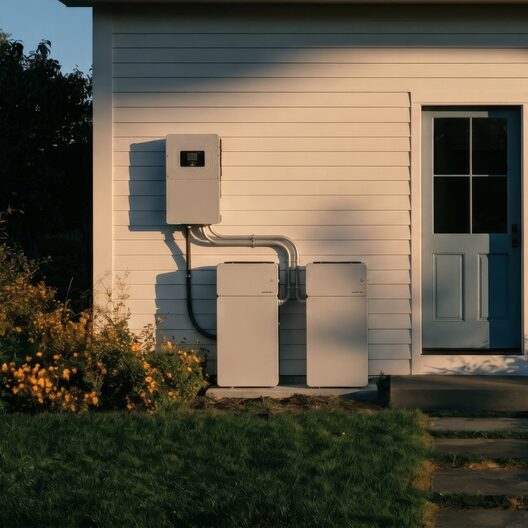
A home solar and battery system turns part of your electricity supply into something local.
Solar produces power directly on your property. A battery stores it for evenings, peak hours, and outages. Every kilowatt-hour your home produces and uses is one you avoid purchasing at the latest wholesale rate.
With Daylight, homeowners receive solar and battery backup for $0 upfront. The battery is included standard, no monthly adders or additional cost. Your rate is locked for the life of the contract, meaning your home’s protected from auctions, fuel prices, contract resets, and unpredictable bills.
This August won’t be the last time Massachusetts utility rates change. But with Daylight, you don’t have to worry about what the utility will do next.
Brand Director at Daylight. Sunnyside is Daylight’s guide to energy, the grid, and the weather that moves your bill.