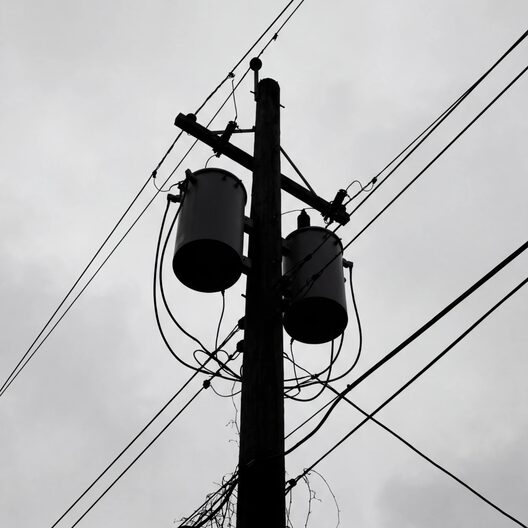
The average U.S. residential electricity rate hit 18.83 cents per kilowatt-hour in April 2026, up more than 7% from a year earlier, according to the U.S. Energy Information Administration.
For most Americans, rates have climbed faster than inflation for several years running, driven by grid infrastructure spending, storm-damage repair, and rising demand on an aging system.
But not every state is living the same story this year. Despite growing national electricity demand, some utilities are actually cutting rates. If you're a homeowner looking at bigger utility bills, it's natural to wonder why power's getting more expensive for you and not others.
The states cutting rates, and why
In Connecticut, Eversource and United Illuminating both filed lower default supply rates effective July 1, tied to existing nuclear power contracts and state energy policy. Eversource's rate dropped about 8% and United Illuminating's dropped about 12%, working out to real monthly savings for a typical customer.
In California, PG&E's residential rates are running about 5% below where they were a year earlier. Southern California Edison posted a rate decrease for typical residential customers effective June 1. There's a catch, though: Rates in California remain well above the national average even with this year's decrease factored in.
Why everyone else’s rates keep climbing
States like Illinois, Massachusetts, and New Jersey are all moving the other direction this year.
In the PJM grid region, which stretches east from northern Illinois all the way to New Jersey, data center demand has been a well-documented driver of rising capacity auction costs. Those costs flow straight through to what utilities charge.
In New England, gas pipeline constraints and aging infrastructure have kept Massachusetts among the more expensive states in the country for electricity for years. Homeowners in any of these states didn't do anything to cause the increase. It's a function of decisions made by grid operators, regulators, and utilities, the same as the states seeing decreases this year.
The pattern underneath the pattern
Whether your electric bill went up or down this year wasn't decided by open-market competition, but by regulatory machinery: capacity auctions, nuclear contracts, wildfire funds, or docketed rate cases. Consumers have no vote in these proceedings, nor any say in where rates head next cycle.
Even if your bill dropped, don't get comfortable. The same regulatory dials that trimmed rates this year, a temporary subsidy or a favorable court filing, can easily swing back next year.
An Illinois homeowner watching capacity auction costs surge has no more control over their bill than a Connecticut resident enjoying nuclear-contract savings. Both are subject to decisions made in commission hearing rooms, not decisions they made themselves. Rates are dictated in utility commission hearing rooms on schedules that never align with household budgets.
Take your rate out of the equation
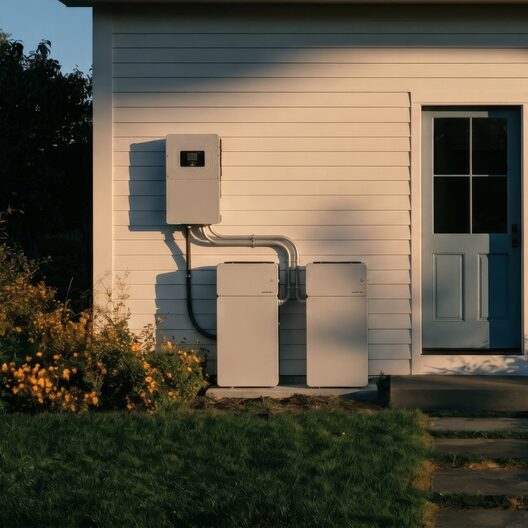
Instead of riding the unpredictable wave of utility rate increases, Daylight lets you lock in your own energy costs. A 25-year agreement fixes your rate with zero upfront cost, detaching your bill from utility commission decisions.
Utility rates will always fluctuate, and traditional customers always bear the brunt of those shifts. Fixing your rate turns a constantly moving expense into a predictable baseline, putting you in control of your energy costs for the long haul.
Brand Director at Daylight. Sunnyside is Daylight’s guide to energy, the grid, and the weather that moves your bill.