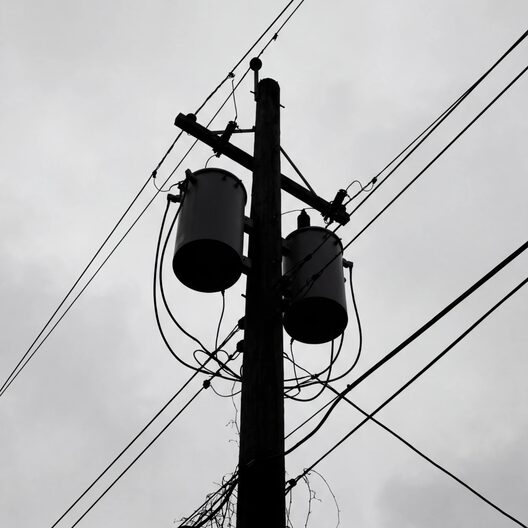
You may have noticed your electricity bill climbing and heard that data centers might be part of the reason. But until recently, the connection was mostly anecdotal. Energy experts knew data centers were driving up capacity costs. Utilities acknowledged it. Regulators were studying it. But no one had translated the numbers into a clear, household-level dollar figure.
The findings: data centers are responsible for 63% of the increase in PJM's capacity market prices over the past two years. PJM is the grid operator serving Illinois and 12 other states, covering 67 million people.
That 63% share translates to $9.3 billion in additional electricity costs flowing to ratepayers in this delivery year alone. For the average household in Illinois, that extra cost is showing up as $16 to $21 more per month, with projections reaching $70 per month more by 2028.
PJM runs an annual capacity auction in which power plants bid to commit their generation for the following delivery year. Grid operators use the auction to guarantee that enough supply will be available even at peak demand. The price those commitments clear at gets distributed across every electricity customer in the region through their supply rate.
Two years ago, PJM's capacity auction cleared at $28.92 per megawatt-day. This year's auction cleared at $329.17, a 1,038% increase. Data center growth is the primary driver. Each new data center that connects to the grid adds to the peak load the auction has to cover. The cost of covering it falls on everyone.
If the current buildout trajectory holds, PJM consumers will pay an estimated $100 billion in excess electricity costs through 2033.
Fuel prices, transmission upgrades, and other factors also contribute to rising electricity rates. But the capacity market is where data centers make their largest and most direct mark on the residential bill.
Regulators are working on it. FERC issued orders to grid operators in June directing them to address how large loads connect to the grid and who pays for the infrastructure they require. Rate relief from that process is at least a year away.
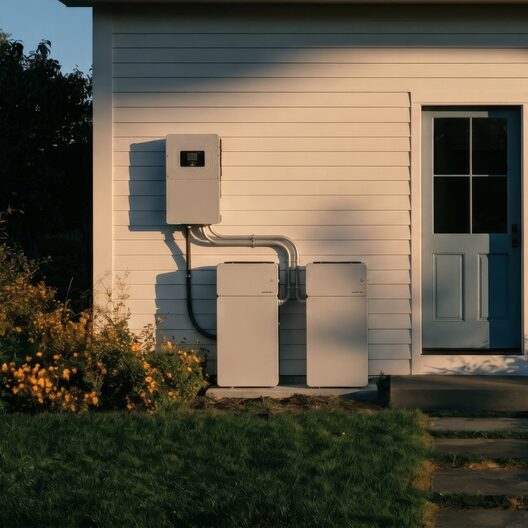
In the meantime, the households least exposed to rising capacity costs are the ones generating their own power during peak hours. The capacity auction sets the price for being on the grid when demand is highest.
The more power you make yourself, the less of that price you pay.
Brand Director at Daylight. Sunnyside is Daylight’s guide to energy, the grid, and the weather that moves your bill.